
Institute of Directors
UX / UI
Prototyping
Design system
Stakeholder alignment
Handover & QA
I led UX strategy and design for a complete digital transformation of the Institute of Directors (IOD) website, working closely with the IOD team and my colleagues at Catch Design.
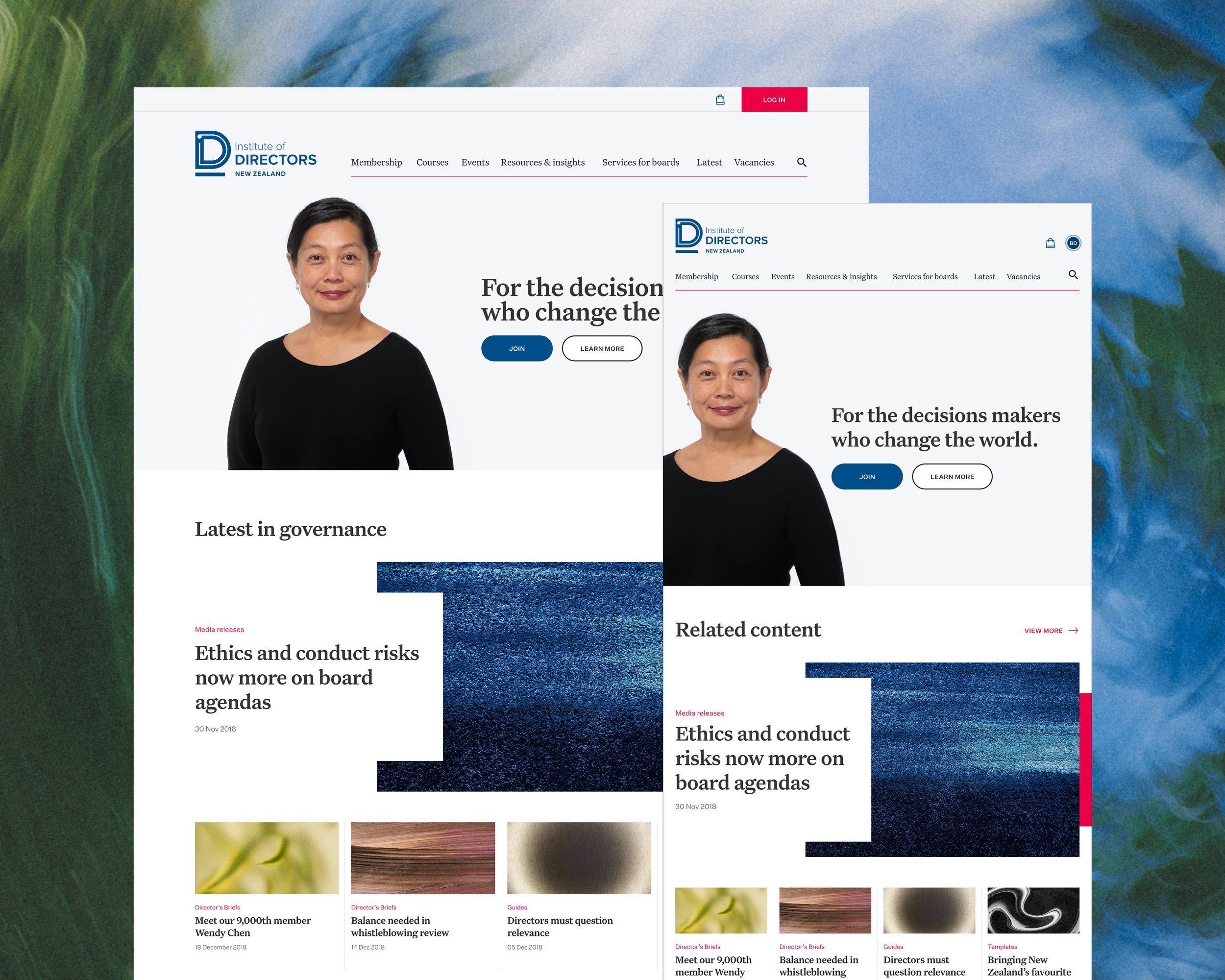
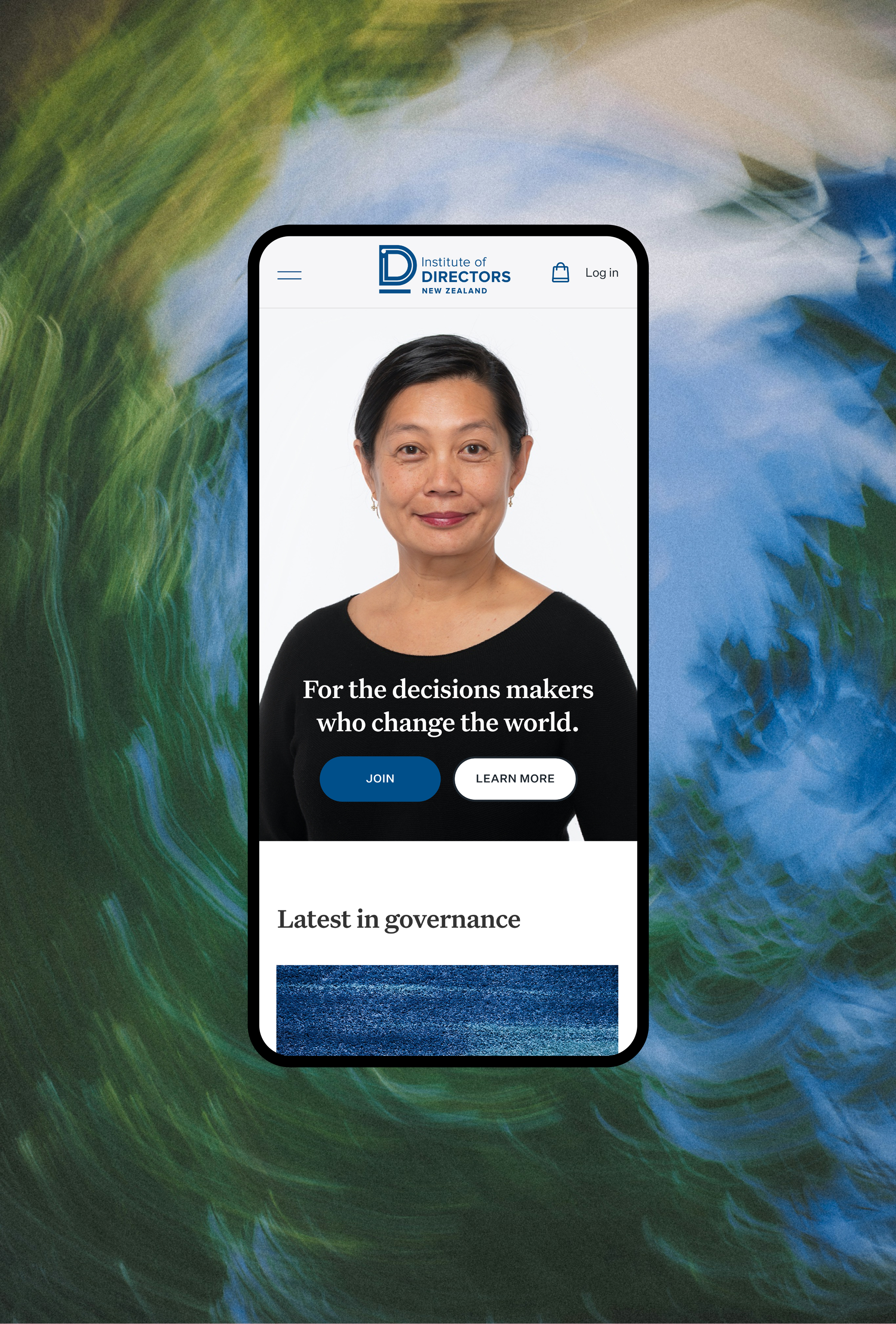
Alongside its new brand identity, we created a modern, scalable digital platform that transformed how members and prospective members engaged with IOD — bringing together online membership, purchasing, course and event bookings, points tracking and self-service, alongside a rich library of resources.
Building a more complete digital experience
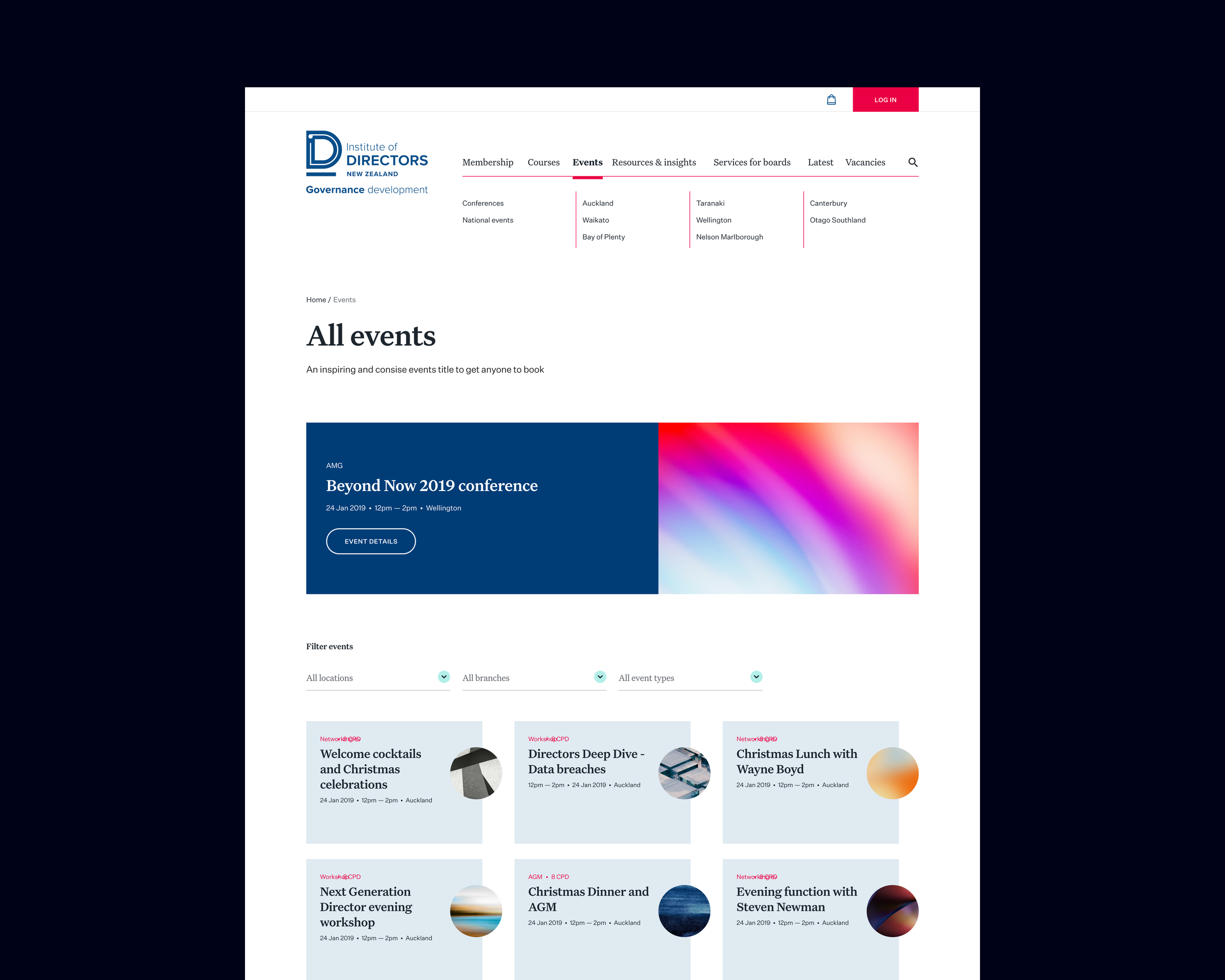
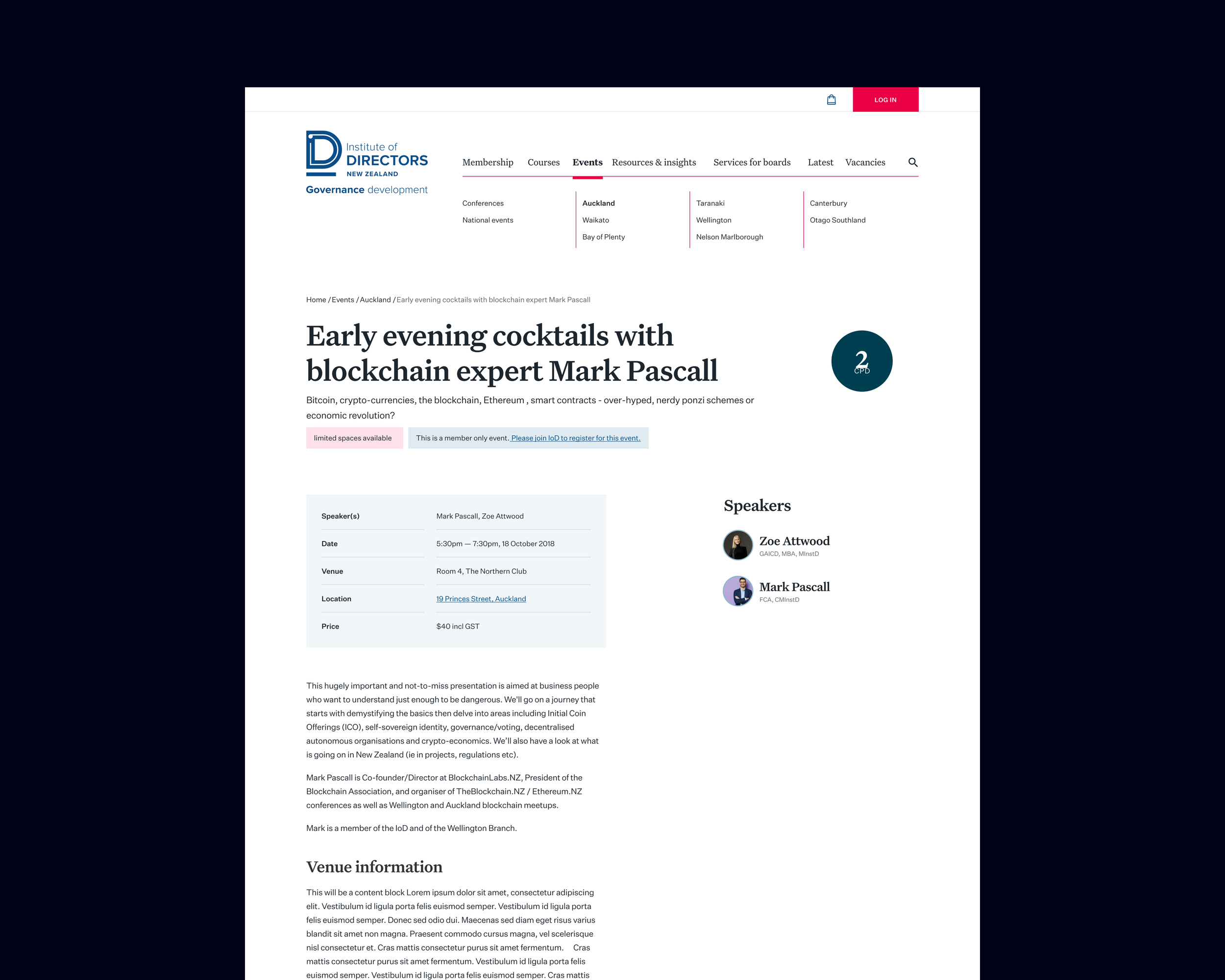
Beyond the visual transformation, we reimagined how members and prospective members interacted with IOD online — introducing online purchasing and event bookings, a points-based membership programme, online membership applications and a self-service My Account experience, alongside a rich library of courses, events and resources.
01 — The challenge
Bringing IOD into the present
IOD's existing website had fallen behind the needs of its members and the organisation. Members had mo profile or sel-service functionality and coudlnt track their membership points online. Joining, booking courses and events, and purchasing books and resources were also largely manual processes, often relying on email.
The opportunity was much bigger than a website refresh. We needed to rethink how members interacted with IOD and create a more connected digital experience — all while the organisation was finalising its new brand identity.
02 — How we started
Defining the digital experience
With such a broad scope, we spent several weeks working closely with the IOD team to define what the future online experience should look like.
We explored business needs, member expectations and opportunities before translating them into epics and user stories. This gave us a clearer scope, shared direction and a way to prioritise the work.
03 — Discovery and identity
Shaping the experience and bringing the new brand online
Using the requirements as a starting point, we worked through multiple rounds of workshops to map customer journeys, explore content models and establish the structure of the experience.
We started with simple box wireframes, gradually refining these into detailed journeys and layouts as the experience took shape.
Alongside this, we explored how IOD's new identity could translate into a digital environment. Through moodboards, visual concepts and presentations, we worked towards a direction that felt true to the brand while meeting the needs of a complex digital experience.
I also had the privilege of working alongside Ruth Brown, one of New Zealand's leading UX specialists, during the UX process.
04 — Visual design
Bringing the new identity to life.
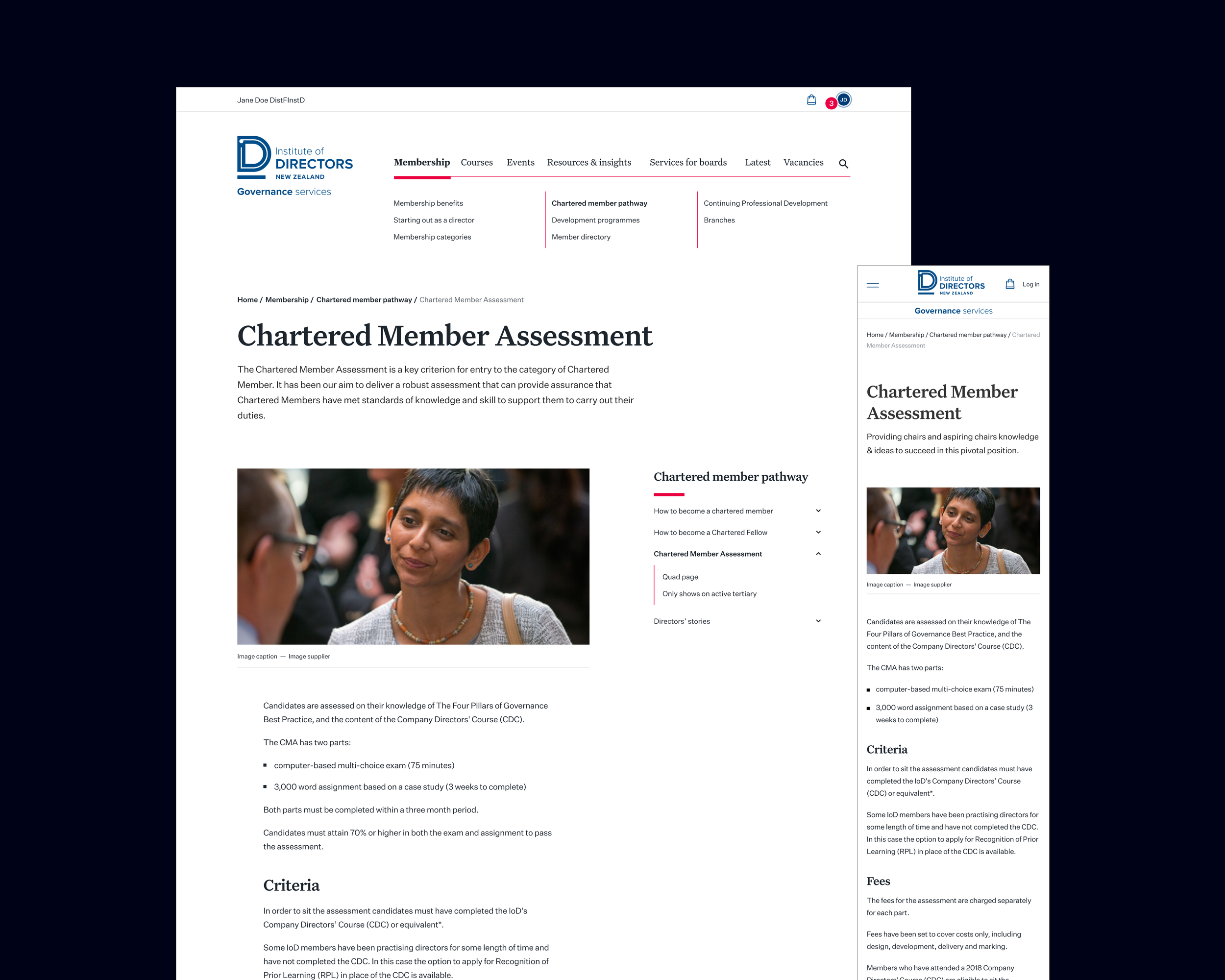
With the wireframes and visual direction established, we translated IOD's new brand into digital design foundations, defining colour, typography, visual elements and shape.
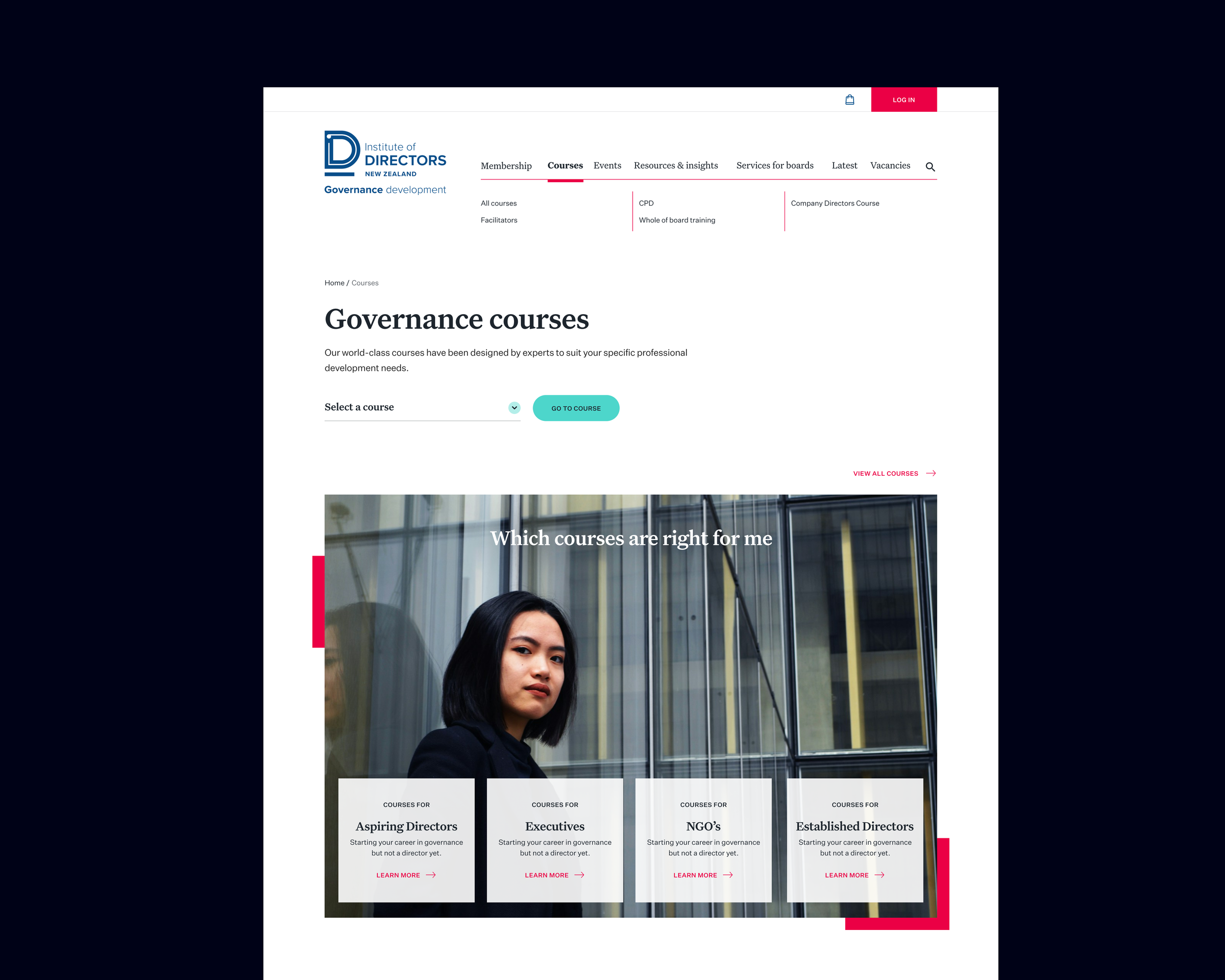
We brought these foundations together with the approved wireframes to create high-fidelity, responsive designs across the website, supported by a new design system. Working through the experience in line with business priorities, we progressively brought the new identity and functionality to life.
06 — Outcomes
A more connected digital experience for IOD.
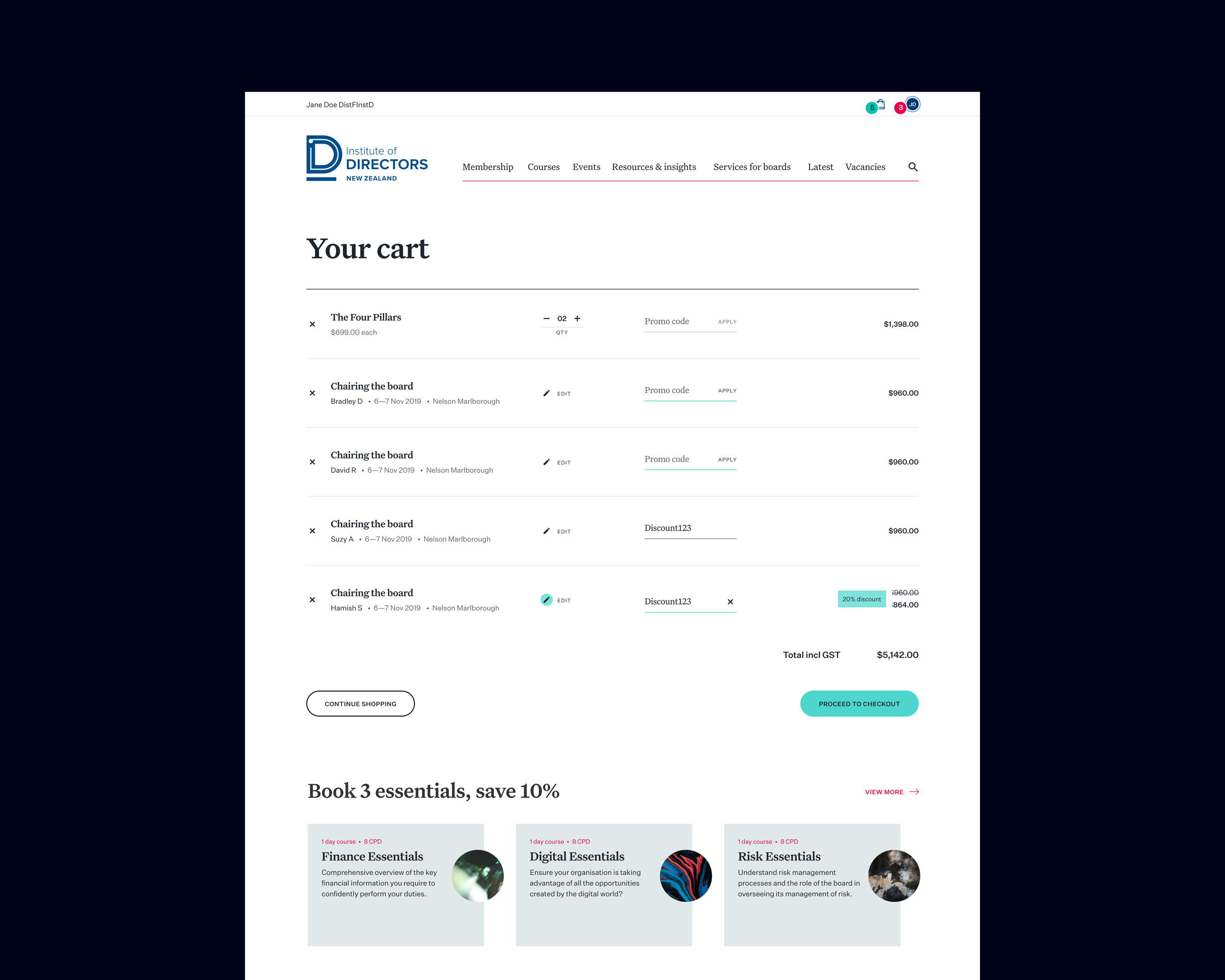
The transformation moved IOD from a largely manual, information-led website to a more complete digital platform.
Members could now:
Access the latest governance news, tools and resources.
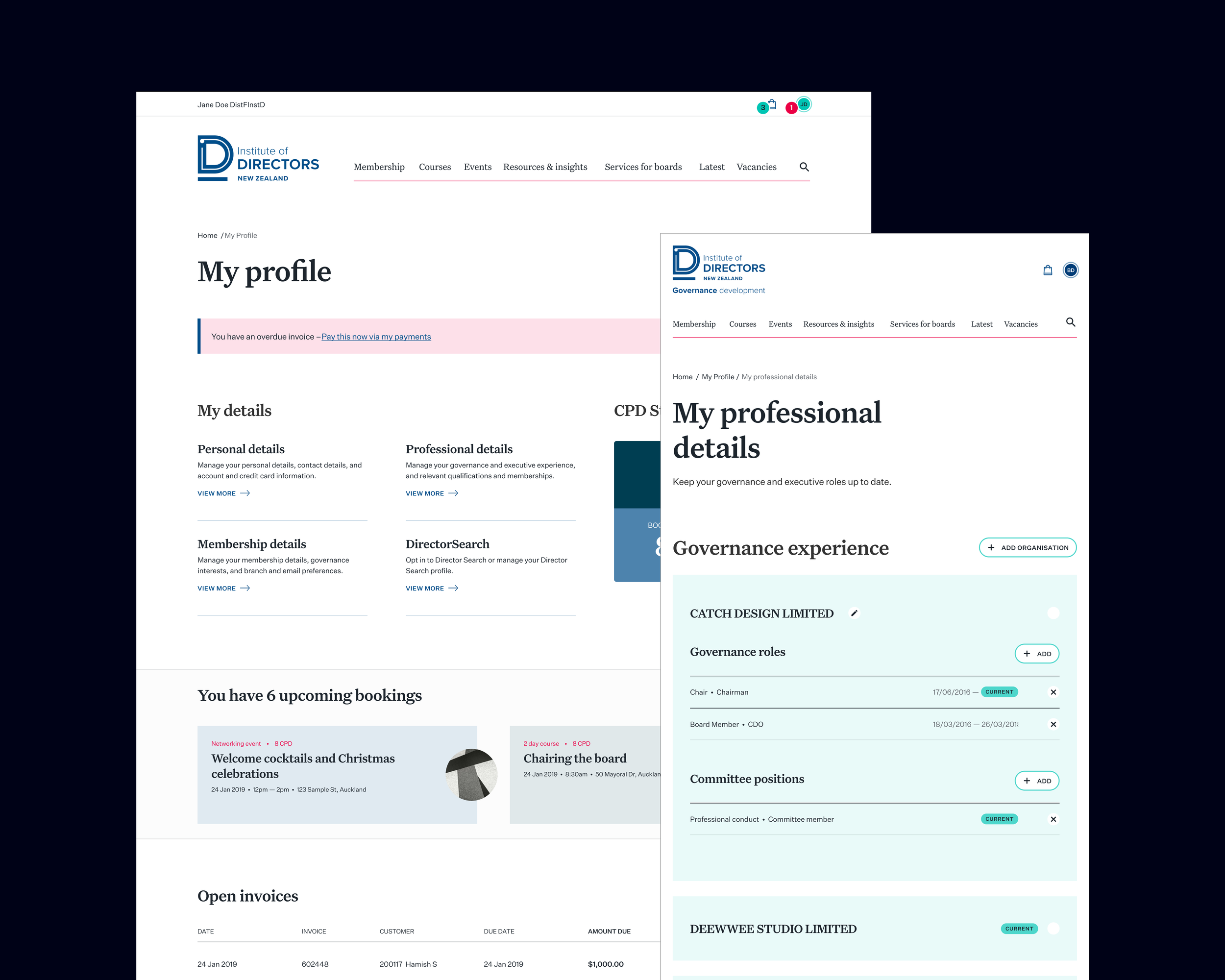
Manage their personal and professional details through an online profile.
Track and add membership points digitally.
Join IOD online.
Book and pay for courses and events.
Purchase books and resources online.
It was a significant shift in how members interacted with IOD, bringing more of the membership experience into one place and making its services easier to access.
A project that stands out
This remains one of the most rewarding projects I've had the opportunity to work on.
We built a genuinely great relationship with the team at IOD. It was a professional, dedicated and friendly environment, with everyone sharing a desire to push beyond what might traditionally be expected of a website for an organisation of this kind.
The project was busy, complex and ambitious, but I've rarely experienced such a collaborative environment. Everyone was invested in the same vision, bringing different perspectives and expertise together to make it happen.
For me, that's what made it so special. It reinforced just how much good design can come from shared ambition and a team genuinely committed to doing their best work.

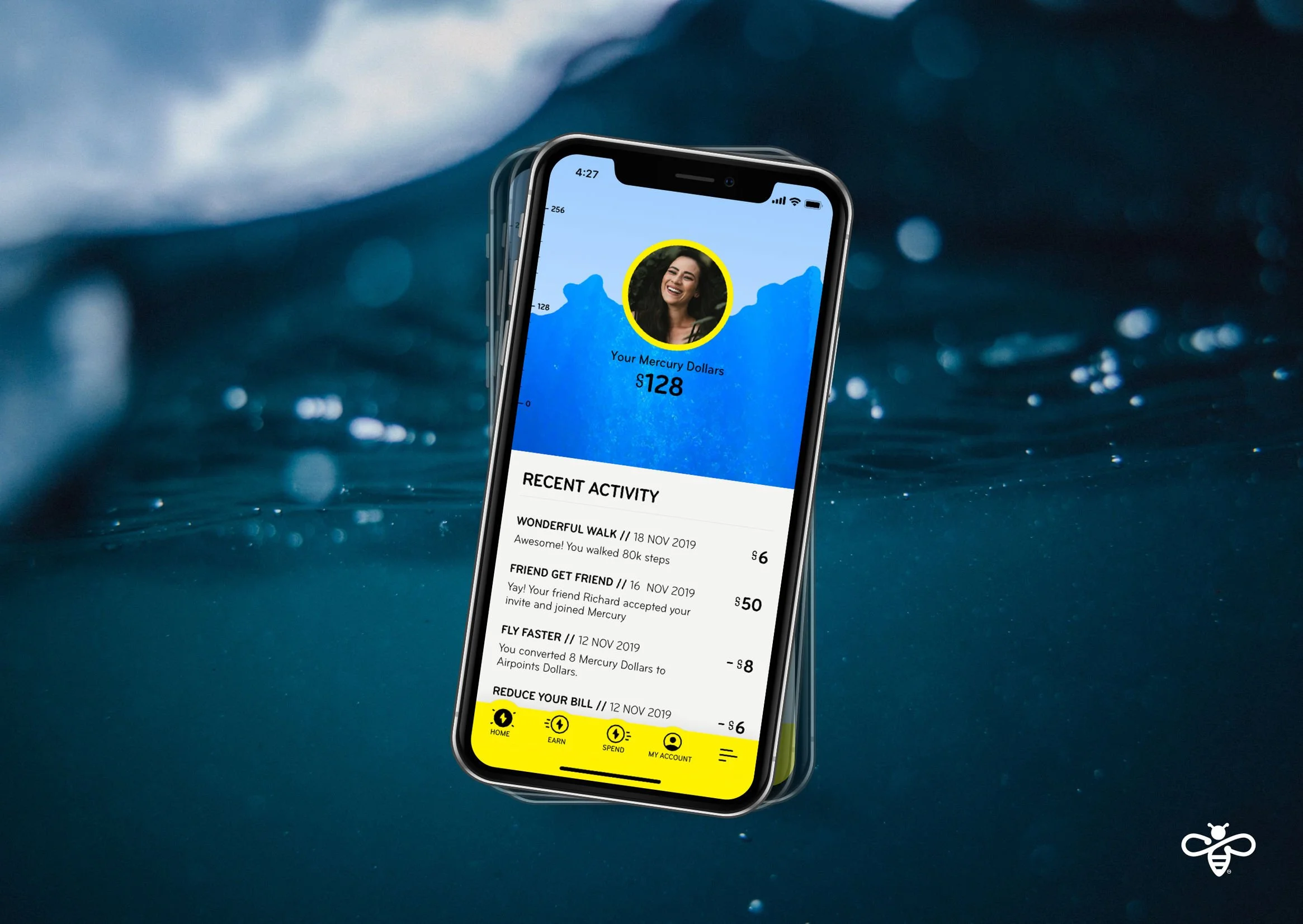
Mercury App
IOD NZ
Genesis Site
Origin App
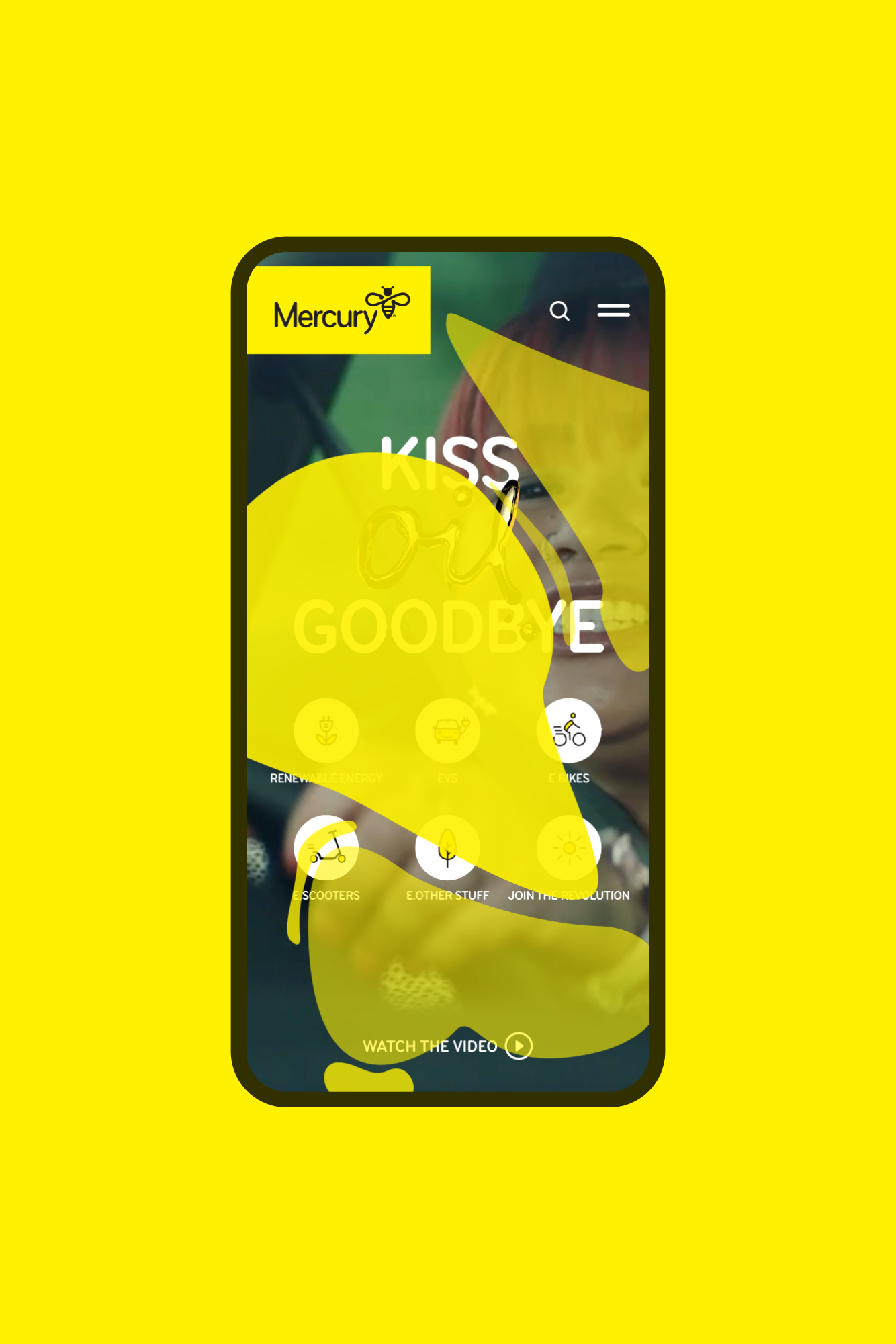

Mercury Site
Genesis App